

The Maiden Medicine of Paper Birch
If you wander deep enough into any northern woodland, you will most likely be shown the spirit of the forest. At first it seems like a ghost dancing among the trees, their lean trunks and limbs appear stark white against their surroundings. And usually they are not alone. These ghosts travel in groves and it is quite a sight to see a gathering of them in deep woods. As you venture closer they are fully revealed to you. Dark black gashes along crinkly white bark heightens the contrast as paper birch stares down at you.
Birch has been revered by our ancestors since they first walked the earth. In most tales, birch is a protector of both humans and the forest. In Celtic mythologies birch is known as the “Lady of the Woods” and has a strong feminine influence. Birch is indeed ruled by Venus, the planet most associated with the divine feminine. Indigenous people of Turtle Island hold similar beliefs, though that is not my story to tell.
In ancient times the stages of the moon were associated with the three faces of the goddess: Maiden (waxing), Mother (full) and Crone (waning). Birch in turn is strongly linked with Spring, feminine blossoming, fertility, rebirth, purity and therefore the waxing moon and the Maiden. Branches and twigs of birch were used to decorate homes and festivals on both Beltane and Midsummer’s Eve to encourage fertility and protection.

https://www.facebook.com/slavicmagpie/photos/pcb.2342842232623851/2342844259290315/
With the feminine Maiden energy in mind, there was a belief among Slavic tribes that the souls of dead girls called willies walked among the birches. In February and March when Spring begins to poke through the snow covered ground, it was said that the willies danced in the light of the moon for the death of any person who found themselves among them.
As we trace the web of birch lore throughout cultures and history, it never ceases to amaze me how the spirit and message of a particular plant or tree transcends language, time and distance. These things suggest that there was once truly a time when people were so closely in communion with the earth that they could hear its voice.
Even without knowing the ancestral history behind birch, you can feel its magic as soon as you’re in its presence. Simply sitting and meditating in a birch grove is all you need to connect to this tree.
Here in Michigan, paper birch (Betula papyrifera) is found in almost every county. There are of course many other birch species such as river birch, yellow birch, silver birch etc. Though paper birch is truly the most striking with its alabaster bark. It can be found in most places throughout the upper Midwest and upper east coast.
You can identify any birch by the peeling, paper-like bark. Aspen, a similar look alike has many of the same characteristics and growing habits but its bark does not peel. Like aspen, it is a pioneer species and will be one of the first trees to grow in a disturbed area. Once the slower growing trees establish around them, they eventually die out from lack of sunlight in a deep forest.

Birch grove in a woodland opening
The medicine of birch is gentle and storied. Every part of birch is used. The sap is tapped and collected in the same way as maple for a fresh spring tonic. In Poland it is called oskoła and is used to cleanse the blood and promote hair growth. It also has another name: brzozownik, meaning “drink divine”. It is thought to maintain health, beauty and firm flesh. The sap can also be boiled down into a syrup like maple, though it takes exponentially more sap to amount to the same volume of syrup. It can also be fermented to make a tasty wine or vinegar.
The bark however is what I am drawn to the most. Once the papery outer bark is removed, the deep reddish brown inner bark is revealed. The aroma of fresh birch bark is something I have never experienced from a tree. It has a potent wintergreen scent and I can almost feel my senses calming with just one inhale.
This inner bark can be dried and used in tea or tincture. Its gentle medicine has mild anti-inflammatory and pain-relieving properties. People have used birch for achy joints and the common cold. Much like the sap, it is valued as a strengthening tonic for the weary soul.
The inner bark tincture of birch is a key ingredient in my Huntress Bitters. While not very bitter itself, it plays an important supportive role to more potent bitters such as pine, wood betony and cardamom. It embraces its Maiden role in this formula along with the other ingredients to provide a grounding yet invigorating effect on the mind and body. This makes it a perfect ally in this blend to soothe frazzled nerves, make way for undisturbed focus, empower the feminine and balance the gut-brain axis.
The bark is also edible and can be ground into a flour-like substance to use in baked goods such as cookies or bread.
Birch leaves and catkins can be used in similar ways to fortify mind and body, though they lack the distinct wintergreen aroma and flavor of the bark. An infusion of the leaves can be used to make tea or a relaxing bath.
When harvesting birch, be sure to never take the bark directly from the trunk of a live tree. This exposes the tree to infection and disease while cutting off its nutrient supply. Instead, harvest branches or head to a beaver dam. Beavers love birch. They grow well near water and are easily chewed through. Once the beavers fell the birch, they take their extruding branches, leaving behind a solid trunk full of medicine. The inner bark can then be harvested from the felled trunk. Just be sure it is fresh or its medicinal properties will be greatly diminished.
Birch Bath
1 cup fresh birch leaves
1 quart water
Boil the water, remove from heat and add birch leaves. Let this infuse for 20 minutes then add directly for bath water. This can be used to soothe tired joints, strengthen hair and skin, and provide much needed rest.
Birch Sap Wine
8 pints sap
½lb chopped raisins
2lb sugar
juice of 2 lemons
general purpose yeast
Collect the sap from a number of trees so as not to overtap an individual tree, which could kill it. The sap should be collected in early March whilst it is still rising. Select larger trees, bore a hole about 1"-2" deep, around 4ft off the ground, place a tube or something similar in the hole and allow the sap to run down. Then put a suitable container underneath and allow to fill. The hole will heal naturally, but it wouldn't hurt to wedge a piece of birch bark over the hole to aid it. Boil the sap as soon as collected, add the sugar and simmer for 10 minutes. Place the raisins in a suitable bucket, pour in the boiling liquid and add the yeast and lemon juice when it has cooled to blood temperature. Cover the bucket and leave to ferment for three days before straining off into a demi-john and sealing with an air lock. Let stand until fermentation finishes, then rack off into a clean jar and let the sediment settle. Bottle the wine and store in a cool place for at least a month.
{Recipe from: https://www.whitedragon.org.uk/articles/lady.htm}

The February Ice Moon
The temperatures have reached well below 0͒F as the winds whip across the snow kissed ground, creating tendrils of snow snakes that slither over the surfaces of road and ice. I hover as close to the wood burning stove as I can while I type this, remembering that this is indeed the month of ferocity. It is a month of jagged icicles and dangerously slick roadways. Ice abounds and winter is in full force.
It truly seems to be a month frozen in time. The signs to indicate the passing of the seasons are far and few between, as if winter refuses to lighten its grasp. The geese have not yet returned. The frogs are months away from their chorus of mating calls that echo through the forest. The ramps and trillium are still nestled tightly among their roots. The ground remains snow capped and barren, no life growing there. The trees remain frozen and leafless.
And yet, there is a stark beauty in the ferocity, the dead things and limbo of seasons. The crystal palaces that form upon the landscape after a snowstorm cocoons us into our own kingdom of wonder. The absolute silence that wafts over the forest beyond my porch after nightfall is transcendent. It seems you could almost hear the soul of the world (anima mundi) speak if you listen close enough to that sort of darkness. It is a darkness of thieves and assassins, predators and lovers.
When my Slavic ancestors first named this Luty or the Ice Moon, it was not so different. It was the harshest moon as food stores dwindled to near nothing and winter raged on outside. But just as I see the magic in this absence of life, they too saw reason for celebration. This moon cycle was heavily dedicated to Veles; a shapeshifter god of the forest, cattle, and the underworld. Some of his most common forms were of the bear (thought of as the king of the forest), a bull (to represent cattle and peasants) and a snake (as guide to the underworld).
The ancient Slavs dedicated nearly two weeks in the beginning of February to this animal god with one of their most notable celebrations being the Wolves Weddings. Volk, the word for wolf, is closely related to Veles and so he was seen as a Wolve’s Matchmaker or Wolve’s Shepherd. This was the beginning of the mating season for wolves and so it was a time for “animal weddings” in the Old Slavic world. Rituals were performed every day of the week to keep animals safe from sickness, produce healthy animal offspring and ward off evil spirits. It was a time no doubt when many animals were lost to the winter’s harsh grasp, and honoring Veles this moon cycle was a way to strengthen them for the last leg of the season.
This may also bring to mind the ancient Roman celebration of Lupercalia, thought to be a distant ancestor to Valentine's Day. This celebration which also takes place under the Ice Moon was one that also hoped to ward off evil and encourage fertility. The origins of Lupercalia come from an incident in the time of mythologies when a Roman king ordered his nephews be thrown in a river to drown for breaking their vows of celibacy. Once thrown in, they became entangled in the branches of a fig tree where they were rescued by a she-wolf. This she-wolf cared for them and raised them as her own. Lupercalia is thought to be an homage to that she-wolf, hence its relation to the current Latin name for the wolf, Canis lupus.
The deeper we dive into this Ice Moon, the more we see the importance of the wolf during this moment in time. Whether because of their mating season or their ancient role in mythology, they remain an emblem of perseverance and courage which we can take to heart during the hollows of the Ice Moon.
Another word associated with Veles and wolves was volkhv, which were Slavic shamans. As Veles was a god of both earthly and underworldly aspects, so too was he associated with shamans whose power flowed between the planes of existence. This notion of having a foot in both worlds reminds us that spring is on its way, though we still have some deep winter journeying to do. Here we see again how highly our ancestors valued wolf to have them so closely related in name to their shamans.
So even though the seasons seem to have stood still in this moment, that undeniable circadian rhythm moves on through animals and spirit as our ancestors once knew. While many of us aren’t in consistent interaction with livestock or animals of the wild, there are still ways to celebrate this month of ice.
One of my favorite things to do to embrace this frozen month is to follow the animal tracks in the snow. Leave behind the beaten trail and follow that thread that ties us to the critters and creatures, knowing that we can always follow our snowy footprints back if we wander too far. It reminds me that there is still movement, still life happening. I come across a new or interesting track every now and then that makes me see the woods differently, knowing who stalks these understories.
There are even some moments when I’m crunching along some windswept snow bank that I can feel the hair stand up on my neck, my ears perking at each sound. The feeling of something watching comes from some deep primal reservoir that has not been lost to us. The snow deafens all life below, but amplifies every sound that occurs above.
I imagine again the wolves of Veles in these moments. The grey wolf disappeared from Michigan, where I live, a century ago from hunting and poisoning. However, just a few decades ago, wolves came home. They crossed from Wisconsin back into the upper peninsula of their own accord where today there are more than 700 wandering the thick forests and lakeshores. And this time, the humans they found here were different. The indigenous Anishinabek of these lands see wolf as their brother. The settlers saw this as a second chance for reparation. Wolf is now protected by law and love. There are of course still conflicts with those that see wolf as a threat, but most are wiser and willing to fight for this magnificent apex predator.
The adaptability and resilience of the wolf is something that holds strong with me during this month of Wolf Weddings. Wolf is a wonderful animal to hold space for during the ice moon no matter where you live. Wolf talismans can be added to altars. Research your local records to see if wolves ever roamed your area. Find the closest wolf refuge. Journal about how tapping into wolf energy may benefit you. Listen to wolf songs during meditation to get a feel for this energy.
The Woodspell tonic that I love working with this season is Huntress. She is a grounding tonic to soothe gut and mind; all of the things a she-wolf needs to keep her eye on the prize (especially spring). This is a way to channel Wolf energy for the cold stretch ahead. Try drinking it with fresh pine tea for an extra boost of forest medicine.
Imagine as we journey through this season your skin growing thick with fur, your feet and hands transforming to paws with razor sharp claws, your heart fortifying itself into steadfast resolve. The cold will soon end, but until then, let this strength carry us fiercely into the snowstorm.

Michigan wolf on Isle Royale

Advice for the Aspiring Herbal Business Owner
The herbal industry is weird, precarious at times. It doesn’t seem like there is much guidance out there at all to tell us how to start and run an FDA cGMP compliant business. While I don’t have all of the answers, these are just some tips and tricks that have helped me along the way. I hope you can learn from them as well and maybe avoid some of my mistakes.
Simplify
I meet a lot of folks out there who want to get 20 products in their shop before launching. I actually made the mistake of offering to design some labels for one such person. After hearing all of her product plans I was hesitant but needed the money since I was just getting started. Needless to say, just when I finished her labels she stopped returning my e-mails and her shop never launched. There could be other reasons for this, but from what I gathered she just got too overwhelmed and I never got paid.
The moral of the story is to focus on a few products first and make them amazing. I launched my shop with only four products and really haven’t expanded much since. You always have time to add more products in the future, but overwhelming yourself before you begin is a surefire way to not begin at all.
Minimize Packaging
This will save you time, money and headaches trust me! Figuring out all of the different label layouts, dimensions, and bottles needed for your products is something that takes a LOT of trial and error. I have just one bottle type and size for all of my products and even that took many iterations to find which caps, labels, etc worked best. Then you have to figure out how to ship them safely without breaking anything. So less is so much more when it comes to packaging.
Consider also perhaps going package-free if possible. This is great for the environment and great for your mental well-being. Some of my favorite beauty care brands sell their shampoo bars in little brown paper bags with a stamp on the front. I appreciate this as a conscious consumer and they benefit from it as well.
Keep a Log
The road to FDA compliance is a precarious one. It is a journey I’m still on as I work on building my own commercial kitchen and so on. The FDA website has all of the requirements to be cGMP compliant, but I understand how overwhelming that can be. At the moment the FDA is not targeting small businesses, but it’s better to be safe than sorry.
So the best place to start with this is to keep a log of everything you harvest, all of the batches of blends you formulate, and a master log of all of your recipes. Keeping as much documented as possible from the get-go will help you out tremendously further down the road.
Save Up For the Big Stuff
Starting an herbal products business can actually be rather cheap. If you grow or source your own herbs, most of your costs will be in labor. But, you’ll find sooner rather than later once your business grows that you need more to keep it going.
Some things you’ll need to invest in is insurance, permits and licenses from the USDA, commercial kitchen rental, shipping label printer, tincture press, still, and any other equipment you may need for your specific products. The more you can sock away for these costs, the more sustainable your business will be.
Small Business Development Organization
This has helped me out tremendously! Most states have regional small business development organizations that can help you get going. These organizations are completely free. While they may not be able to help you with herb-specific questions, they can at least point you in the right direction and help you with more business related questions such as legalities, grants, and making relevant connections.
Stay True to Your Purpose
In the beginning, at least for me, I had a million and one ideas for my business. I wanted to grow cut flowers, make tinctures, start a CSA, you name it. The thing is, this is another way to overwhelm yourself very easily. I finally realized that digestive remedies, bitters specifically, was the medicine I wanted to put out in the world more than anything else. And in the words of Ron Swanson “don’t half ass a bunch of things, whole ass one thing”, or something like that. If you do one thing very well, people will recognize you for that and you will save yourself a lot of heartache.
Of course down the road if you want to expand, as mentioned above, go for it! Just starting out though, it is so much more beneficial to follow what you are MOST passionate about and branch out from there. You may even find down the road that those things you wanted to pursue so badly from the beginning don’t interest you anymore, or don’t seem as viable.
Tell Stories
I cannot stress this enough. There are an endless amount of herbal businesses on the internet. What makes you different is the stories and experience you bring to the table. People want to listen to stories, it’s how we were programmed. It was our original form of communication and documentation, and we still crave that. People relate to stories and they will remember you for them.
So while presenting straightforward educational material is wonderful and also useful, be sure to throw in some of your own experiences in your newsletter, social media or however you communicate. They can’t see you and experience your light through the phone, but stories help bring them a little closer to that.
Find Mentors
I don’t necessarily mean finding someone to show you one on one what to do, though if you can that’s amazing! But for me, living in the woods has really limited my access to other herbal folk. The closest I got was to find those herbal businesses that resonated with me on a deeply personal level and scour their websites, social media, anything they put out there really. I did this not so I could copy them (please don’t ever think your light will shine any brighter by imitating someone else!) but to really get in their minds and see how they do business.
Some of my virtual mentors who don’t even know they were my mentors are Anima Mundi Herbals, Avena Botanicals and Plantfolk. They each brought something to the table that spoke to my soul. I looked to them to see how to communicate what was in my heart and even more technical things like how they presented products on their website, how they wrote disclaimers, and how they set up their newsletter. Starting out, most of us can’t afford consultants and what not, so looking to people who already have an established business is a great place to start.
Find Your Niche & Style
You’ve probably heard this from so many business gurus, but it is maybe the most important thing to set your business apart from the crowd. Listen, I totally get it, you just want to make beautiful plant products and help people. You don’t want to buy into all of this fru-fru stuff. Coming from a creative background as a designer, I actually love this stuff and I see it as just an extension of my spirit into the physical world.
Let’s look at some examples to see what I mean:
Here at Woodspell, my style has a woodsy folk vibe. My niche is using plants from the forest to create my products. This style is laced through everything I do; my labels, website, business cards, flyers, you name it.
Looking at some of my virtual mentors now, let’s talk about Anima Mundi. They have a very psychic exotic vibe. They specialize in products to enhance the spirit, brain and psyche. You won’t find any beauty products or salves on their website.
Avena Botanicals is a more down to earth brand that focuses on the rural community in which its located. It has a very clean and simple style and have very clean and simple products. So while they do carry a number of products from glycerites, teas, salves, they are all very straightforward.
Plantfolk has those major dreamy desert vibes. She focuses on this style by incorporating primarily flowers in her products, which are all beauty related.
So after looking at all of these styles and niches, what corner of your soul do you want to extend to your brand? Perhaps it can reflect the place in which you live, your hobbies, your favorite type of art, your ancestry. The possibilities are endless.
Binge Lots of Business Videos
You already know plants. However, you could have the most amazing product on the planet, but if no one buys it then it doesn’t do anyone any good. As plant people we need to find ways to present our products to the world in the most authentic and effective way possible. One of the best ways I’ve found to do this is to binge watch business videos on YouTube and listen to podcasts. When I was still working a 9-5 job, I would listen to all of the business advice I could get while I worked on projects and on my breaks. You don’t need to take an expensive business course to be successful. All you need is a direction.
Some of my favorites are Marie Forleo, Rachel Rogers and Lewis Howes. These folks talk about business, but they also share all sorts of inspiring and motivating tips for living a fulfilling life. As a life-long procrastinator, I need the constant motivation, and listening to their regular content helps get me into that zone.

Huntress Bitters {The Maiden}
On a dark forest night she came on the back of a storm cloud…

Stories of Artemis and Diana, the Greek and Roman goddesses of the hunt and protectors of the forest skim through the mind when wandering through a dark mossy wood. But there is another, one forgotten to time and destroyed by war and pillaging.
Her name is Devana or Dziewanna, “the maiden” in Polish. This Slavic goddess is the equivalent of her Roman and Greek sisters. As the maiden, she represents the wild headstrong pinnacle of the maiden-mother-crone triangle. Her mysterious existence along with her ties to my Polish and Slavic ancestry drew me to her, and thus, after many walks in the wild woods thinking of her roaming the Carpathian Mountains in Poland, Huntress was born.

Devana by Andy Paciorek
Herbal Spotlights
To embody this wild woman of the woods, I called upon forest medicines close to my heart. One of the main notes in this blend is birch, a beautifully cooling herb with hints of wintergreen. Birch also plays a large role in many mythologies around the world as a protector of the forest. In Slavic mythology, she is considered “the white lady of the woods”. You can see how she gained such magical prominence when you come upon a grove of ethereal white birch in a dark wood. Their presence is almost ghostly yet calming, same as their medicine.
Another revered ingredient in this blend is white pine. This magnificent evergreen is one of my favorite tree medicines of all time, not just because of its versatility, but because of its calming presence. Just sitting at the feet a great grandmother white pine brings the mind to ease as her boughs billow above you. Her peaceful nature is transferred to her medicine. The needles which are extracted in this blend are not only great for soothing digestion, but also to soothe a weary spirit.
To sweeten the pot even further, lemon balm worked its way into this blend as a forest-loving herb with a potent citrus aroma. Its gentle sedative properties help to calm the mind and the tummy.
Added Essence
Huntress is wrapped up with a beautiful valerian flower essence which helps us to focus on the present moment. As a woman of the hunt and protector of the forest, a Huntress must be cool, calm and collected with her mind on the moment at hand. Valerian’s essence brings these notions full circle to create a blend that is calming for both digestive system and mind {plus its downright delicious}.
How to Enjoy This Blend
Huntress needs nothing more than a glass of sparkling water to be enjoyed. Add 1/4-1/2 tsp and envelope yourself in the spirit of the woods. If you’d like to add a twist, squeeze a bit of lemon in your glass to enhance its citrus notes.
Huntress is also a beautiful addition to your tea as it adds a bit of complexity and flavor along with its digestive benefits.
You can also add them to these Birch and Yule Cookies for a bit of added magic.

Sacred Mother Bitters {The Mother}
To care for you while you’re caring for everyone else…

The newest blend in the collection is specially formulated as a gentle soothing blend for those that deal with very volatile digestive issues and those who are pregnant {of course consult your healthcare provider before starting any new wellness regimen while pregnant}.
Deeper than that though, this blend is made not just for mothers, but for those of us that have lost a maternal force in our lives or maybe never had one.
Herbal Spotlights
Warming herbs such as ginger gently stimulate digestion with a delicious bit of spice while chamomile, burdock and a few other key herbs support these digestive actions. Blended together though, and all of these herbs create a comforting blend reminiscent of a mother’s hug, an energy we don’t receive so often when we’re adults.
Added Essence
To truly solidify this maternal essence within this blend, shooting star essence is added to speak to the child within us all. Not only does this essence help to support a healthy pregnancy by “calling the baby in”, but it also helps people who feel alienated in their adult life, perhaps because of an early childhood trauma or the loss of a mother figure. The physical herbs may be the warmth and nostalgia of this blend, but the essence is the energetic maternal love to top it off.
How to Enjoy This Blend
As with all of Woodspell’s blends, the best way to enjoy these bitters is to add 1/4-1/2 tsp to sparkling water. They can be taken whenever there are signs of digestive upset, or about 15 minutes prior to a meal to prevent discomfort.
Sacred Mother is also a wonderful blend to add to golden milk, a soothing latte-like drink that brings all of the warmth and comfort of a sunlit day to your life.

Baba Yaga Bitters {The Crone}
In the darkest depths of the forest, she prowls the deer paths in her house on chicken legs…

A tale is passed down in Slavic folklore for thousands of years, telling of a primordial being that is both sought after and feared to the bones. Her name is Baba Yaga, a witch of the forest that flies around in a mortar and pestle and gallops through the woods in a house on chicken legs, and she is neither good nor evil. The one thing that is indisputable about this infamous being though is that she is wise. People traverse the dangers of the wood to seek her powers, not knowing if she will grant them their wishes or eat them alive. Perhaps at one time she was simply good, but as Christianity rushed in and demonized the pagan ways, she may have taken on a more evil glint to her eye. Either way, every trait they’ve placed upon her, every story and flaw has just made her more of the powerful witch we know today.
Baba Yaga personifies the crone aspect of the divine feminine. While women are taught to smile and be good caretakers, this defiantly fierce pinnacle on the triangle is either shunned or ignored all together. Embracing with wild ferocity can be a necessary and freeing action in understanding our own femininity.
Not only does this blend channel that divine ferocity, but it can also be amazing for people who are in the crone stage of their life. With memory and focus enhancing herbs, this blend helps to keep the mind and digestive system on point.
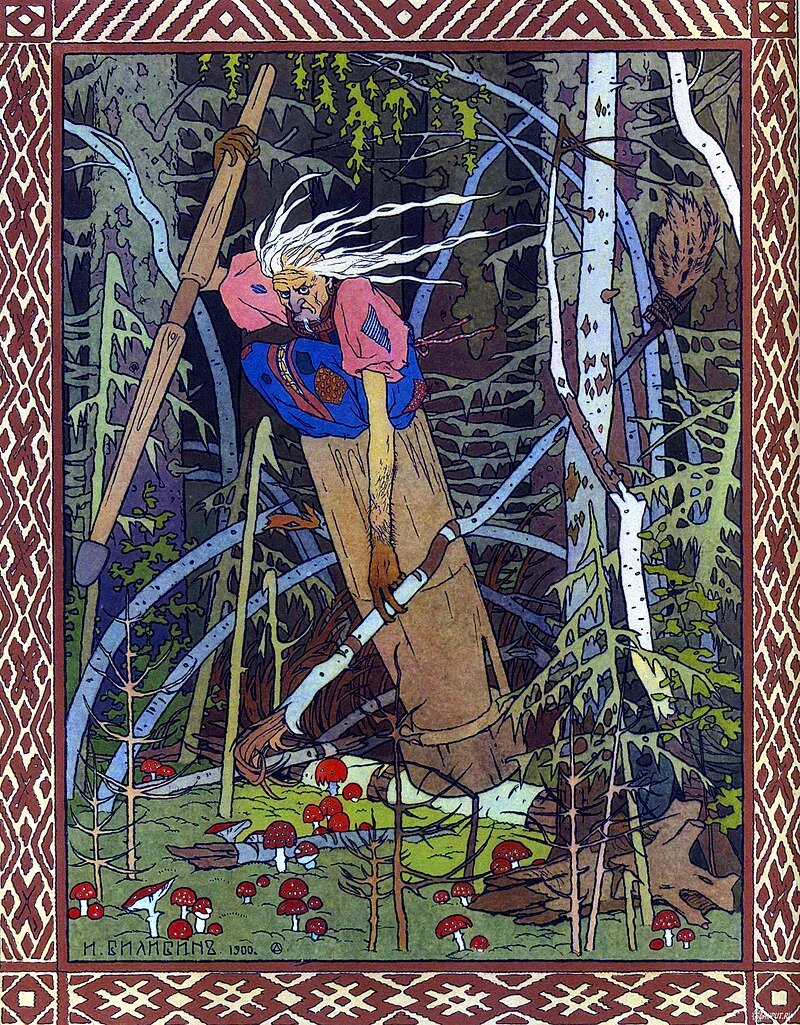
Baba Yaga by Ivan Bilibin, 1900
Herbal Spotlights
To channel this powerful deity, motherwort is used as the base bitter in this blend. She has all of the qualities of the crone: she is maternal in her abilities to heal female reproductive issues, but she is fierce in her potent bitter bite. Many people also find their way to herbal medicine through motherwort. I’ve heard many stories of people being called to this wise herb and feeling held and healed by her. So naturally, there could be no other option for this blend.
Rounding out the potency of motherwort comes in the form of aromatic herbs such as sage. This renowned herb not only stimulates digestion with its warming aromatic notes, but it is also well-loved for its ability to enhance clarity both energetically and physically.
Rosemary is another aromatic herb that benefits both mind and gut. Many people call upon this herb to strengthen memory, while like sage, its aromatic compounds stimulate and soothe digestion. Its beautifully complex flavor dances a fascinating waltz with the other aromatics and the piercing motherwort.
After creating this blend, I felt there was one thing missing. It took me a moment to figure out what it was, but when I did, I knew immediately. Holy basil, or tulsi, was the last herb to be blended into this formula for its clarifying properties, digestive support, and reputation of being one of the most sacred herbs on the planet.
Added Essence
The essence I added to this blend had to be about attachments. Women in particular tend to have a difficult time with this, whether it be good or unhealthy attachments. We tend to lose ourselves in other people whether it be our significant other, our children, parents, etc. Not to say this is a bad thing, but we occasionally need a reminder that we matter too. Lilac flower essence helps us detach in a beneficial way, whether it be from people, ideas or habits. By fiercely fighting for ourselves, we are tapping into the crone aspect of our being, and coming a bit closer to our wisest selves.
How to Enjoy this Blend
Like all of Woodspell’s blends, Baba Yaga is best enjoyed in sparkling water to experience its true flavor and digestive healing properties. Add 1/4-1/2 tsp to sparkling water daily before a meal, or as needed when experiencing digestive upset.
Baba Yaga is also delicious in this Tulsi Wisdom-ade. This herbal twist on a classic lemonade is sure to delight with its sweet flavor, brain-boosting herbs and digestive support.

Rustic Pine + Birch Yule Cookies

Standing in awe of white pine, the tree of peace, Pinus strobus
There are few plants I wait to harvest until winter. White pine is one of those plants. I have a kindred relationship with this tree of peace. When you think of a pine tree, you probably think of a rigid prickly tree. But white pine is not that at all, she is soft and billowy, a complete contradiction. Before you harvest your pine, take time to see which one calls to you. More than likely, you have many species of pine growing in your area. There may be one in particular that you will benefit from most.
Birch is another unique winter medicine. It is a symbol throughout many cultures as a protector of the woods and people. Its slender white silhouette floats hauntingly in an otherwise dark forest. The bark I used for these cookies actually came from a tree that fell over naturally in the fall. We cut it up into segments that were a few feet long and stored them in our warm dry crawl space. Once winter came I then brought the segments up one by one to harvest the bark.
If you’re new to foraging, I go over a couple defining characteristics to look for before you harvest below, though I highly recommend finding a local guide book or plant person to assist you in the beginning.
Harvesting Pine
Identify a pine from other evergreens by looking at its needle formation. Pine needles come in “packets” of 2 to 8 needles whereas other evergreens have the needles growing directly on the branch
Pine needles are a traditional winter food full of vitamin C and other nutrients, meaning not only do they make these cookies a bit more nutritious, but they’re also delightfully nourishing in tea as well
First look for recently fallen branches to harvest before harvesting from a live tree
You only need a couple of pine boughs to produce enough material for these cookies
Cut the needles in half before adding to a coffee grinder to macerate them more easily
Harvesting Birch
Birch trees can be similar in appearance to aspen, the giveaway though is that all birches have bark that peels off in sheets
Any type of birch can be used for these cookies and medicine, though they’re flavor will vary from species to species. This recipe uses paper birch or Betula papyrifera
As with any tree, never harvest bark from the trunk of a live tree. Only harvest from the branches or from a tree that has recently fallen
Birch bark can be a bit trickier than most trees to harvest. You’ll have to peel back the papery outer bark first to reveal the thicker inner bark below. The inner bark doesn’t come off in sheets like most trees. The easiest way I’ve found is rather to use a sharp knife at an angle to shave it off instead. Big chunks will come off sometimes, but the shaving method is the most effective
You’ll notice birch has a mild wintergreen scent and flavor to it which is much like the sap it produces in the spring. Both its bark and sap are wonderful cleansing tonics, perfect to keep the body in check in the long winter months

Pine Shortbread Cookies (Paleo)
Ingredients:
2 1/4 cups almond flour
1/4 cup arrowroot powder
1/4 tsp sea salt
1/4 cup freshly ground pine needles
1 TB orange zest
1/4 cup maple syrup
1 tsp Huntress Bitters *optional*
1/3 cup ghee (or organic grass fed butter)
Directions:
Preheat oven to 350°F
Mix flour, arrowroot powder, and sea salt in a standing mixer
Grind pine needles in a coffee grinder or food processor
Add in ground pine needles, orange zest, maple syrup, and Huntress Bitters to mixer and combine
Add ghee or butter in intervals until you have a gooey ball (you may have to knead by hand if it isn't forming on its own)
Put the dough between two pieces of parchment paper and use a rolling pin to flatten to a 1/2 inch thickness
Use cookie cutters to cut out your shapes and bake for 14-16 minutes
Birch Shortbread Cookies (Paleo)
Ingredients:
2 1/4 cups almond flour
1/4 cup arrowroot powder
1/4 tsp sea salt
3/4 cup dry ground inner birch bark
1 tsp vanilla extract
1 tsp Huntress Bitters *optional*
1/4 cup maple syrup or birch syrup
1/3 cup ghee or organic grass fed butter
Directions:
Follow the same directions as the pine shortbread cookies above, except replace the pine needles and orange zest with the birch bark and vanilla extract

Fall Rituals to Make this Season More Magical
Trickles down the spine and slight prickles of hair on the back of the neck help alert our ancient instincts that fall is creeping in. On the outside we notice the shimmering blankets of red, orange and gold above us. Below us we relish the sight of quilted yellow and purple fields, bursting with goldenrod and New England asters.
But on the inside we feel something much older. We sense something stirring just below the surface. For me it manifests as butterflies in the stomach or goosebumps on my arms as I step out into a crisp fall day. The urgency of the wind calls to me. The scent of the decomposing leaves both caresses and warns me at the same time.
Now is the moment for preparation, reflection, and revelry. Humans were meant to go into a sort of hibernation during the winter. At least to draw within, learn new crafts and skills in the dark hours, and slumber after a long hot season’s work. Therefore fall is the time we are meant to expel one more outward burst of energy before the winter snow. Of course the ancient laws of hibernation rarely apply in our modern lives, but there are rituals we can preform during the fall to honor this important transitional period.
The hardest part is to make the time. Because of its fleeting nature, it is all too easy to blink and see fall flash before your eyes. By capturing little moments in your day, you can make the most of this magical season. I’ve gathered a bundle of my favorite rituals to share with you hear in hopes of inspiring you to find your own traditions.
Make Grzaniec (an ancient Polish herbal mulled wine)
Connecting with our ancestors is one of the most important aspects of fall when the veil is thinnest. Cooking or brewing recipes that our lineage once did is a great way to strengthen this connection. Mulled wine is a coveted drink amongst many cultures around the world. The Russians have a version called dusheparka, the Swedes call it glögg, and the Italians have vin brulé. My Polish lineage enjoys grzaniec. Though it is most commonly enjoyed for Christmas, I liked to brew up a batch when the nights turn chilly in autumn. It goes perfect with a spooky movie or book by the fire.
Here is a quick recipe for grzaniec:
1 quart of Red Wine, such as Cabernet Sauvignon
1/2 cup Local Honey
1 Cinnamon Stick
5 whole Cloves, lightly crushed
1 whole Nutmeg
1/2 Bay leaf
2 tablespoons sweet fern
1 tablespoon Orange Zest
I put the wine and honey into a slow cooker. I then put the herbs into a cheesecloth bag to make it easier to strain and infuse the bag into the wine for a few hours. Once the concoction is aromatic, serve hot in a mug.
Crafting Wild Fall Spices
The woods come alive in the fall not just with colors, but scents. Harvesting some of these aromatics and grinding them into spices preserves the essence of this season for months to come. Custom spice blends are also great holiday gifts and offerings. I also happen to think autumn is the best season to get out and wildcraft as the bugs have disappeared and the weather is brisk and inviting.
A few custom wildcrafted spice blends to consider:
sweet fern and juniper: I talk about sweet fern often because I believe is is an underrated herb and is plentiful in my neck of the woods. The sweet cinnamon taste pairs perfectly with the warm spiciness of the juniper.
wormwood and mint: the potency of the wormwood is balanced well by the cool pungency of the mint. Using wormwood and mint in a food dish also helps to make the meal more digestible as both herbs help to stimulate the digestive system. You can find wormwood growing in disturbed areas and mint grows almost anywhere it can get its runners on, especially moist partially shaded areas.
sassafras and sage: sassafras has been an important ingredient in Creole and Cajun cooking, as well as to the indigenous peoples of America. It has an astringent lemony taste that blends well with the warm camphor of the sage. Use the dried sassafras leaves in the blend.
Create Your Own Personal Harvest Festival
While harvest festivals are common throughout the country and a fun way to connect to the community, they can be a bit void of spiritual significance. Ancient cultures used harvest festivals as times to thank the gods for a prosperous season, connect to ancestors who have passed on, and look forward to another year.
We can preform our own harvest festivals or ancestor feasts according to our culture. As a person with a Polish Slavic descent, I look to the harvest festival of Święto Plonów for inspiration. Besides lighting bonfires, huge wreaths were made to honor the season, and kołacz (a type of baked bread) was the ritual food of importance.
Obviously not every aspect of your culture’s harvest festival will be able to be followed, but look for the small intimate rituals that you can incorporate into your life.
Make Herbal Syrups from Harvest Leftovers
Even after all herbs have been harvested, there are always a few stragglers that pop up before the hard frosts take them back to the underworld. Try savoring the last of your herb garden by making herbal syrups for cocktails and mocktails. Some of my favorite herbal syrups are:
anise hyssop
basil
rosemary
bee balm
mint
Stock the Apothecary for Winter
The urgency we feel as autumn engulfs the land urges us into preparation mode. Let it take over. Making sure our home apothecaries are stocked for the cold and flu season is not only satisfying intuitively, but also saves us stress when or if sickness strikes. Whether you harvest and make your own medicine or shop your local herb shop, it helps to have even a few remedies on hand.
My go to fall prep medicines are:
fire cider: I make my own ACV from the discarded apples of a friend’s tree then infuse them in all sorts of anti-bacterial spicy goodness.
mushroom blend tinctures: making sure the immune system is up to par can help prevent getting sick in the first place. Having a blend of potent medicinal mushrooms can help you stay healthy.
elderberry syrup: besides being delicious, this berrylicious syrup can be useful when a cold does rear its ugly head. The syrupy texture also helps to soothe a sore throat.
peppermint and tea tree essential oils: I always have these two on hand in case of sinus congestion. Using these as a steam inhalation helps to loosen the phlegm in the nasal cavity so that it can be expelled.
bright teas: winters can be long in the northwoods, and keeping the body healthy mentally and emotionally is just as important as the physical. Having a tea ritual with bright herbs help to keep the spirit lifted. A few of my favorite herbs for these teas is chamomile, rose, tulsi, lemon balm, and lemon verbena.
Regardless of your schedule, there are always little moments where you can make time to incorporate intimate rituals. As long as you are mindful of being present in that moment, a moment is all you need to enjoy this season.

Recommended Books for Herbalists and Plant People
Saying I’m a book nerd would be a bit of an understatement. When I moved from Michigan to Colorado and back again I sold everything except my books. My large, heavy, space engulfing book collection has followed me from city to city. I get asked about which books I recommend all the time so I decided to put together a list of my favorites for you all to indulge in as well.
Herbalism
The Herbal Medicine-Maker’s Handbook
Most herbal programs will recommend anyone in the herbal field have this book, and for good reason. This is a no non-sense book about how to make every herbal preparation imaginable from percolation tinctures to suppositories and flower essences.

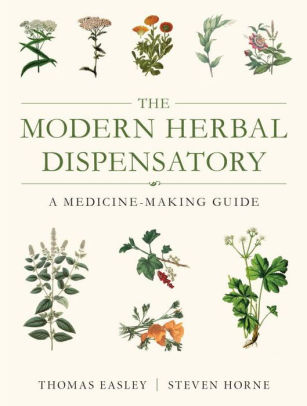
The Modern Herbal Dispensatory
Thomas Easley is a common name in the herbal field and this book reflects his knowledge and authority within the community. Half the book goes over herbal basics, extraction techniques, and some sample formulas. The other half includes and in-depth description of dozens of medicinal herbs and their uses.
The Earthwise Herbal: A Complete Guide to New World Medicinal Plants
Another household name, Matthew Wood, has gathered a compendium of knowledge about North American herbs and their uses in this book. He goes over the “six tissue types” and goes in depth into each herb, describing its taste, specific indications, dosage, and precautions.

Gardening & Farming
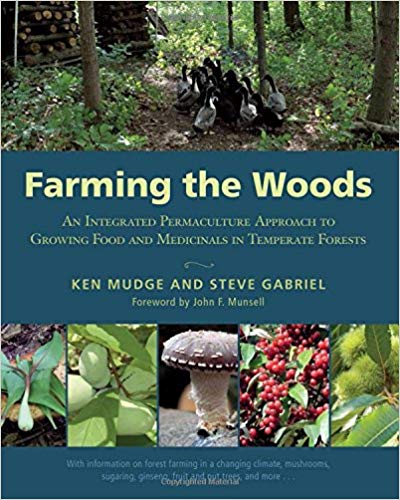
There aren’t many books out there that talk about this forest approach to growing food and medicine. As the need for regenerative agriculture becomes more pressing, forest farming should be at the head of the movement. If you have a patch of woods, I highly recommend snagging this book. It gives detailed information about how to set up a forest farm, grow mushrooms and woodland medicinals, start a woodland nursery, raise animals in the woods, and more.
The art of biodynamic gardening and farming walks the line between the magical and practical. Designed to take into account the cosmic influences within our practices, this book gives a look into how we can start adopting biodynamic techniques in an easy to follow way. It is also beautifully designed and inspirational.

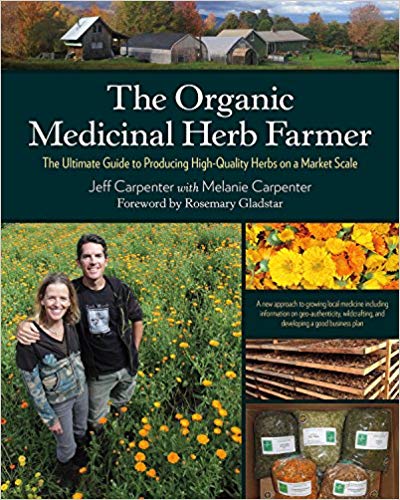
The Organic Medicinal Herb Farmer
Even if you’re not planning on becoming a full-on farmer, this book gives specific growing information for dozens of medicinal plants. They describe their ideal habitat, how to grow, medicinal uses, and harvesting and storing techniques. They also go over recommended equipment and how to lay out an herb growing production.
Rodale’s Illustrated Encyclopedia of Organic Gardening
This should be every gardener or farmer’s bible. At over 400 pages, this book tells you everything you need to know about nurturing an organic garden. Though not specific to herbs, it goes over soil care, weed control, garden pests, container gardening, garden plans, lawn care, propagating plants, and so much more.

Floret was the farm that inspired me to start herb farming. So of course when Erin released this book, I snatched it up right away. Let me tell you, it is GORGEOUS. Though it is specific to flowers, it can help any gardener get inspired. It also goes over what garden tasks to do at certain times of the year, plus techniques to grow flowers that can easily be transferred over to herbs.

Wildcrafting
This book is required reading for any beginning herbalist or wildcrafter. It goes over each of the plant families and gives a specific formula on how to identify these families out in the wild. Though this is a technical book, it is so important to be able to identify plants correctly and can help you to start seeing connections and relationships in the wild.

I found this book at a thrift store and was immediately obsessed. This book goes over collecting and processing techniques, plus many common wild edibles. With each plant listed, they provide absolutely delectable recipes to go with them.
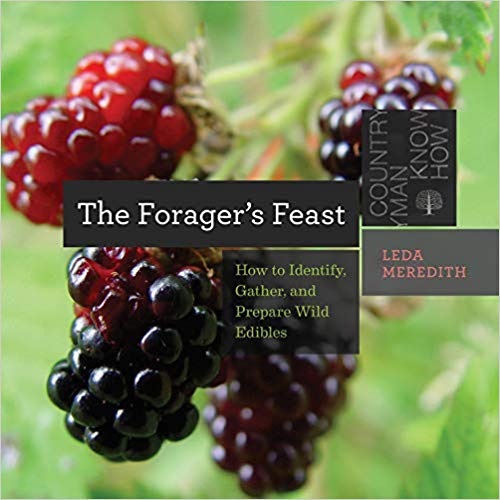
Growing and Propagating Wild Flowers
Another used book find, I can’t believe this isn’t much more popular! Saving our own seeds from wild or cultivated plants can be a great way to save money and expand a population of native plants. This book goes over seed harvesting, storing, cleaning, and propagation techniques specific to wildflowers which can be more difficult than domesticated seeds. The author then goes over hundreds of native wildflowers and how to collect and cultivate their seed.

Midwest Medicinal Plants
Obviously this book is much more relevant if you live in the Midwest, but I believe there are also books from the same publishing company that go over plants from other areas of the United States as well. This is a straightforward book that goes over when and how to wildcraft common medicinal plants as well as how to make medicine with them.

For the Soul
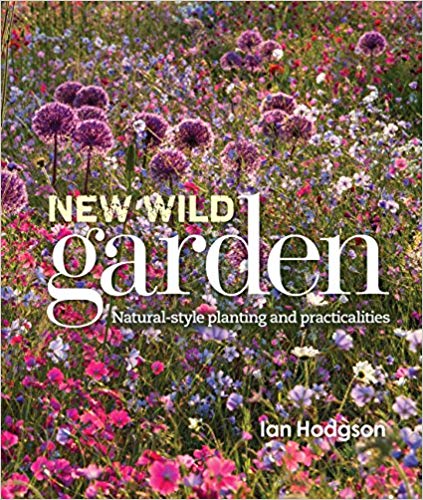
This book is chocked full of drop-dead gorgeous photos. I think I might recommend this book more for the photos than for the actual information (which is also enlightening)! You’ll learn how to create a picturesque natural planting that is aesthetically pleasing and also beneficial for the environment and its wildlife.
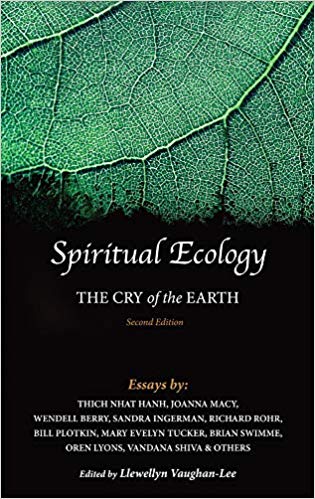
This is THE book that changed my life. Or rather it opened my eyes to the interconnection of all things and helped me to find my purpose within it. Every soul on the planet should read this book. It is a collection of essays written by people from around the world relaying their understanding of the universe and the role of nature within it. I literally cried more than once reading it.
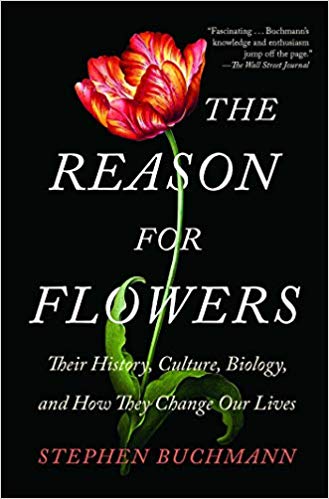
Starting out with the pure science of why it is flowers exist, this book goes deep into their purpose throughout history including flower medicine, the secret language of flowers, and edible flowers. If you love flowers, just read it.
There is something so satisfying about snipping some blooms and arranging them in a vase. Especially when the world closes in and even making medicine is too much. This book contains gorgeous photography and step-by-step instructions on how to create your own floral masterpiece.

One of the great poetic naturalist writers, John Muir brings us on a journey with him into the American West and Alaskan wild back in the early 1900’s. His breathtaking descriptions of these landscapes before they were tamed is nostalgic and inspiring.


Behind the Bitters: Titania

Titania is inspired by Shakespeare’s “A Midsummer Night’s Dream”. The queen of the fairies in this story orchestrates the calamity of magic and chaos that ensues. The Titania bitters blend calls upon some dreamy magical herbs itself with mugwort, reishi and nettle. It is then accented by rich notes of cacao, coffee, nutmeg, and molasses; as thick and luxurious as a long summer’s night. Titania is a perfect blend for caffeine alternatives, hot chocolate and lattes.
On a medicinal note, besides being stimulating to the digestive system, I’ve included some powerhouse herbs here to protect the immune and cardiovascular system specifically. Taken in a daily tonic, Titania can be used to not just improve your gut health, but also help to keep these other systems running smoothly.
The Herbs
Reishi :: the mushroom of immortality contributes savory notes to give a good base to the blend. On the medicinal side, reishi has an impressive list of benefits including: boosting the immune system, relaxes muscles, improves sleep, eases chronic pain, aids heart function, reduces cholesterol and contains antioxidants.
Mugwort :: this classic magical herb is linked to the moon goddess Artemis and is used for purification and clairvoyance around the world. It is still used today to induce prophetic dreams. Mugwort also helps to improve circulation, stimulate digestion, and relieve cramping and bloating. This dreamy herb adds a light sweetness to the blend with notes of pine, cedar, and camphor.
Coffee :: In high doses, coffee as we know helps to stimulate the mind and increase urination. In this blend though, we use it for its roasted nutty flavor to compliment the other more indulgent herbs. If you’re using bitters as a caffeine alternative, this slight hint of coffee might be just enough to give you your daily fix without reaping the negative effects.
Cacao :: We are learning more and more about the medicinal benefits of cacao. So far we’ve concluded that it can keep the heart healthy, lower high blood pressure, relax the mood, and enhance circulation. It also has a reputation as being an aphrodisiac. We all know the classic chocolatey taste of cacao and I use it here to add a little flare to this rich blend.
Nutmeg :: In olden times, nutmeg was considered a cure-all and was prescribed to everything from the plague to menses issues. Nowadays it is mostly used to stimulate digestion and reduce bloating. Its euphoric quality with clove notes adds a bit of spice and lightness to the blend.
Nettle :: One of our most nutritious wild edibles, nettle also has a vast array of medicinal benefits with the most notable being its ability to help build healthy bones, joints, and skin. Within this bitters blend, nettle adds a sour salty balance to the base of the blend.
The Recipe
Chicory Latte

Servings :: 2
Ingredients
1 tablespoon roasted chicory
1 tablespoon roasted dandelion
1 cup water
milk of choice
sweetener of choice
dash of Titania Bitters
dash of cinnamon
Instructions
Make a pot of tea using the dandelion and chicory roots and pour into two mugs.
Mix in sweetener and bitters.
Use a milk frother to make your steamed milk (trust me its worth it) and fill the rest of your glass with the milk. Scoop some foam on top and add a sprinkle of cinnamon.

On Pines and Permanence
On pines and permanence…
It’s the warmest week of the year. I should be outside to gather birch sap, build the waddle fencing for my raised beds, and tend to my hoop house. But instead, I am planted in my seat inside, nursing a knee injury and watching the world move on outside my window. The chickadees pay a visit and two mourning doves come to my sill and sing their song, a sign of peace and renewal. Feeling a tad useless though, I hobble to the library and check out a book on the ecology of Michigan’s forests. Say what you will, but I was really excited. Surprisingly, this rather scientific book has shaken my worldview up a bit and I’d like to share some thoughts here.
When we think of “permanent” we think of tattoos, markers, century-old cathedrals, the mountains and their waterfalls. In fact it goes deeper. We are subconsciously obsessed with permanence. It’s why we long for the good old days or torture ourselves with the loss of a loved one. It’s why we cling so tightly to love, as if we could will it to stay forever by force. But permanence is an illusion created by man.
The Appalachian mountains that seem so steady and monumental? They used to be the size of the Himalayas, now just a shadow of their size. The land you stand on was covered by ice for two MILLION years not so long ago. We are living in a tiny beautiful blip in time where all of life has converged. You and I took tens of thousands of years to evolve to this state of consciousness, not to mention the plants and animals by our sides. We are able to absorb the magnificence of that miracle. We are the universe becoming self-aware. Take that in for a minute. How lucky are you to be living this life right now, in the span of millions of years of evolution and change?
It’s curious then, how permanence ever even became a concept in the human psyche. If even our mountains are constantly transforming, how did we learn to dwell if not from the world around us? That may never be a question that can be answered, but something to ponder regardless.
So what happens when we let go of this obsession with permanence when we become like the great pines and the flowing rivers? Do we float off into the universe, untethered by anything solid? Or do we rise up to a higher vibration, nothing to hold us back?
You may be wondering how this all ties into a book on forest ecology. So let me give some context. One of my beliefs was that we should return all forests to old growth. I believed clear cut logging was sacrilege. I couldn’t see how restoring the final climax of the forest (old growth) wouldn’t be the answer to all of our food shortage carbon sequestering problems.
But then I read a few things that changed my mind: Disturbance in the forest is the key to life. Obviously not a Manifest Destiny sort of disturbance seen during Michigan’s logging area that would wipe out an entire forest, but a natural systematic disturbance to renew life.
Gaps in the forest canopy caused by fallen trees create light for understory trees to grow up and for other plant species to establish themselves.
The ravages of fire unearth a new dynamic by germinating fire resistant seeds such as jack pine or wild geranium. The ash left over also acts as a fertilizer.
Flooding deposits a new layer of soil, creating a rich substrate for new plant establishment.
Even logging (including clear cut) produces woody debris which release valuable minerals and organic compounds into the soil. In fact, it was shown that clear cut logging provides some of the same benefits as burning. There was no difference in species diversity, species composition, yearly biomass productivity, or nitrogen cycling. Plant diversity was actually found to be higher in young forests that regenerated after logging.
My book stated that the “normal state” of an ecosystem is to be recovering from the last disturbance. Is the same not true for life itself? Aren’t we constantly adjusting and healing from something? So what I had to think about was how do we come to terms with the fact that we are always in limbo? Always getting broken down and regenerating over and over.
My book also says that in the natural world there is no good or bad, right or wrong. It just is. Morals and ethics are also human constructs. It’s easy to get caught in the wildfire or flood. It’s much harder to see these processes as not good or bad, but simply present.
Not only did I realized that a young regenerating forest is just as important to the ecosystem as old growth, if less pleasing to look at, but I also had to think a lot about my own life. Some destructive processes are necessary for new growth as we know, but no one tells us how we should balance these forces when they happen in a continuous cycle as life often does without coming unhinged.
I’m not sure I have any solid answers, but I have thought of some practices that help me to let go of permanence when it feels like the lows keep coming:
Go outside. Whether on your front porch or a walk in the woods, no matter how hard it is to drag yourself to do so, just go. Find a silent spot and look for the signs. Maybe a bird lands by you, take note of the bird. Maybe an oak tree lets out an interesting creak as it sways in the wind. A snake slithers, a flower whispers, or you find a lone feather. There are signs all around, waiting for us to take notice. Ask for a sign. Tell them what you need that sign for. And no matter how the answer comes, let it wash over you. Let the cycle wash the permanence from your mind. Because even as good things don’t last forever, neither do the bad.
Learn something. When I feel stuck I read. It gets my overactive mind out of itself. Case and point, the forest ecology book that prompted this whole musing. Whether you read about something new, find it on the internet, or take a class, this is a sure way to get inspired and see new light in a situation.
Call someone. In the age of texting it’s easy to isolate ourselves into our own turmoil. Even just talking through your thoughts with a loved one can help return the balance, even if it doesn’t change the situation itself. It’s also a good reminder that you are never alone.
Ritual ritual ritual. The best way to keep balance in an impermanent world is to find your ritual. This ritual is a practice that tethers you to your soul and the universe when everything else seems to be flying away. My ritual consists of meditation, tea, and books, in that order. Try an adaptogenic tea such as ginseng, holy basil, ashwagandha, or reishi. Adaptogens are normalizing herbs that help to bring your body back into balance. By taking these over a long period of time, you will find a greater sense of peace throughout the ups and downs. Whatever your ritual is, be sure to be consistent and be all there when you practice.
Listen to your intuition. Lastly, no matter what you’re going through, never ignore those gut feelings. Sometimes it is better to act before you think. Let yourself do what it needs to do before you get in your own way. Deep down we all know how to heal ourselves. We all know what our true path is. We just get so hung up on things like permanence that we can no longer see it.
If we can find ways to be like the great white pine that have traversed this land since the ice age, then we can find peace. Through the fires, floods, human tampering, and countless other disturbances, everything truly just is.

Goldenseal + DIY Herbal Mouthwash
Discover the healing powers of goldenseal with this herbal mouthwash.
It all started at my city market and an immediate glance at a single bottle on a wall filled from floor to ceiling with herbs and spices. “Goldenseal” read the label. I instantly recognized Hydrastis canadensis because I had planted many little seeds in my backwoods this past fall. I had also learned about it in school, but never had the chance to use it in practice. Because it is an at-risk woodland medicinal I tended to reach for more common herbs. But this herb shop I knew grew all of their own herbs so I knew it hadn’t been wildcrafted. Also, because my eye was drawn to it immediately, I’m never one to pass up a sign or call anything a coincidence.
So I bought an ounce along with some other herbs and headed home. Meanwhile my tongue was throbbing. I could barely talk or eat without intense pain at the tip. Little white dots were spreading across it rapidly. I thought I had bit it, but because there was no change after a few days I headed to the doctor to make sure it wasn’t something more serious. A lovely lady with white hair, glasses, and a confident stride informed me that it didn’t look like anything serious, but was most likely a local infection. And that, she told me, I would just have to wait out. It could take a couple weeks, and if it didn’t go away I should go see a dentist.
The thought of living like that for another couple of weeks was unbearable. So I did what any herbalist does and went to the herb shop. When I saw goldenseal, I knew of it’s use for eye infections specifically, but also thought it could be helpful for the tongue as well.
When I got home I made a strong infusion of goldenseal, sage, thyme, and calendula then added some peppermint essential oil and tea tree essential oil. I swished it around my mouth a few times that day for a few minutes.
But then the next morning came. I woke up, dreading breakfast because I was so hungry but so much in pain. But as I came to, there was no pain. I ate a little bit of banana. No pain. I talked to my husband. No pain. I could barely believe it. Had this infection that I had been told could last weeks have gone away overnight? It seemed impossible. And yet it had. It didn’t come back and the white dots were completely gone. Hence why I’m sharing this wonderful recipe.
Here are the main ingredients and how they help:
Goldenseal: It’s anti-microbial and astringent properties help to fight bacteria and tighten up tissue that is typically so moist on the tongue
Calendula: Not only is it anti-fungal and anti-bacterial, but it is also anti-inflammatory to reduce swelling that may be associated with infection
Sage: Known for helping heal a sore throat or irritated gums, sage can also help other oral issues with it’s drying energetics and anti-bacterial action
Thyme: Another drying herb, thyme isn’t just for the kitchen. It also has powerful anti-fungal properties to help clear up stagnant infections
Peppermint: Externally it can be used as an analgesic, or pain reliever, which is a huge relief with infections. It is also a mild disinfectant.
Tea tree: Anti-spetic, anti-bacterial, and anti-viral properties make it a great infection fighter.
Because this was going to be used as more of a topcial use rather than internal, I wasn’t too worried about dosage and put a hefty amount of each herb in my mesh infuser.
This mouthwash can also be used for other oral issues such as canker sores, sore or inflamed gums, tongue discoloration (though this could be an indication of other underlying issues), and overal health.

Directions:
Boil two cups of water on the stovetop.
Add a good-size pinch of goldenseal, thyme, sage, and calendula to the mesh infusion basket in your teapot
Pour water that has just been removed from heat into the teapot as well.
Let infuse for about 5-7 minutes.
Pour infused liquid into mason jars and let cool to room temperature without the lids on.
Add 5-10 drops of peppermint essential oil and tea tree essential oil and stir.
Swish around mouth 2-4 times a day when infection is present or once daily for overall oral health.